
Surgical instruments are specialized tools used by healthcare professionals during medical procedures. They help surgeons perform operations with precision, safety, and efficiency. From simple procedures to complex surgeries, these instruments play a critical role in achieving successful outcomes.
Modern surgical instruments are designed to perform specific functions such as cutting tissue, grasping structures, controlling bleeding, retracting organs, and closing wounds. Over the years, advancements in medical technology have led to the development of highly specialized instruments that improve surgical accuracy and patient recovery.
This guide explores the different types of surgical instruments, their classifications, uses, and importance across various medical fields.
What Are Surgical Instruments?
Surgical instruments are medical tools designed to assist surgeons and healthcare professionals during surgical procedures. They are manufactured from high-quality materials, typically stainless steel, to ensure durability, sterility, and resistance to corrosion.
Each instrument serves a specific purpose and is carefully designed to support a particular stage of surgery. Whether performing a minor outpatient procedure or a major operation, surgeons rely on these tools to achieve precise results.
Main Functions of Surgical Instruments
- Cutting and dissecting tissue
- Grasping and holding structures
- Controlling bleeding
- Retracting tissues and organs
- Suturing and wound closure
- Measuring and probing anatomical areas
Classification of Surgical Instruments
Surgical instruments are commonly classified based on their function.
1. Cutting and Dissecting Instruments
These instruments are used to cut tissue, make incisions, and separate structures during surgery.
Examples include:
- Scalpels
- Surgical scissors
- Bone cutters
- Osteotomes
- Curettes
These tools are essential in almost every surgical procedure.
2. Grasping and Holding Instruments
These instruments help surgeons hold tissues, dressings, or surgical materials securely.
Common examples:
- Tissue forceps
- Thumb forceps
- Allis forceps
- Babcock forceps
- Needle holders
They provide stability and precision during operations.
3. Clamping and Occluding Instruments
Clamps are used to control blood vessels and prevent excessive bleeding.
Examples include:
- Hemostatic forceps
- Mosquito clamps
- Kelly clamps
- Bulldog clamps
These instruments are crucial for maintaining a clear surgical field.
4. Retracting Instruments
Retractors hold tissues away from the surgical site, improving visibility and access.
Popular retractors include:
- Army-Navy retractor
- Richardson retractor
- Deaver retractor
- Weitlaner retractor
They help surgeons work more effectively during procedures.
5. Suturing Instruments
These instruments assist in wound closure and tissue repair.
Examples:
- Needle holders
- Surgical needles
- Suture scissors
Proper suturing promotes healing and reduces complications.
Surgical Instruments and Names
Healthcare professionals often learn a wide range of surgical instruments and names during training.
Some commonly used instruments include:
| Instrument Name | Primary Use |
| Scalpel | Making incisions |
| Forceps | Grasping tissue |
| Hemostat | Controlling bleeding |
| Needle Holder | Holding suturing needles |
| Retractor | Exposing surgical areas |
| Surgical Scissors | Cutting tissue and sutures |
| Curette | Scraping tissue |
| Bone Rongeur | Removing bone fragments |
Understanding instrument names helps surgical teams communicate efficiently in the operating room.
Dental Surgical Instruments
Dental procedures require specialized tools designed for oral surgery and treatment.
Common dental surgical instruments include:
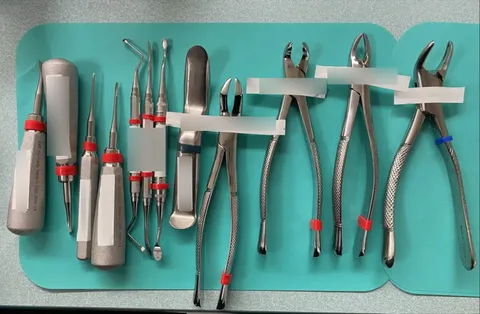
- Dental elevators
- Extraction forceps
- Bone files
- Surgical curettes
- Periodontal probes
- Scalpel handles
- Dental mirrors
These instruments are used for tooth extractions, gum surgeries, implant placement, and other oral procedures.
Key benefits of specialized dental instruments include:
- Improved precision
- Better patient comfort
- Reduced treatment time
- Enhanced procedural accuracy
Orthopedic Surgical Instruments
Orthopedic surgery focuses on bones, joints, ligaments, and muscles. As a result, orthopedic surgical instruments are specifically designed to handle hard tissues.
Examples include:
- Bone saws
- Bone chisels
- Rongeurs
- Reamers
- Drill guides
- Bone holding forceps
- Orthopedic hammers
These tools help surgeons perform procedures such as:
- Joint replacements
- Fracture repairs
- Spinal surgeries
- Sports injury treatments
Orthopedic instruments are built for strength and durability because they must withstand significant force during procedures.
MicroAire Surgical Instruments
MicroAire surgical instruments are widely recognized for innovation and precision in modern surgery. They are commonly used in orthopedic, plastic, and reconstructive procedures.
Features of MicroAire instruments include:
- Ergonomic design
- Advanced cutting technology
- Precision control
- Reduced surgeon fatigue
- Enhanced surgical efficiency
Many healthcare facilities choose MicroAire systems because they help improve accuracy while minimizing tissue trauma.
Applications include:
- Orthopedic surgery
- Plastic surgery
- Reconstructive procedures
- Hand surgery
- Microsurgical operations
Surgical Tech Instruments
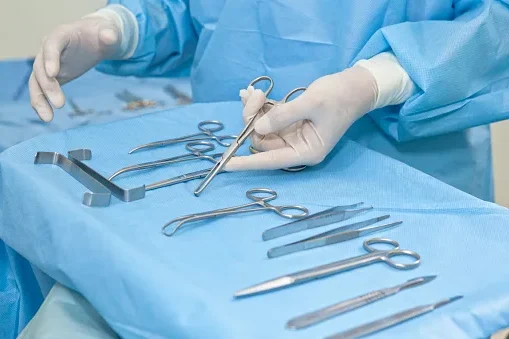
Surgical technologists play a vital role in preparing and managing instruments before, during, and after surgery.
Common surgical tech instruments include:
- Forceps
- Scalpels
- Needle holders
- Retractors
- Surgical clamps
- Sponge forceps
- Suction devices
A surgical technologist must understand:
- Instrument identification
- Proper handling techniques
- Sterilization procedures
- Surgical setup requirements
This knowledge ensures smooth operation room workflows and patient safety.
Veterinary Surgical Instruments
Veterinary surgical instruments are designed for procedures performed on animals.
Although many resemble human surgical tools, some are adapted for different species and anatomical structures.
Common veterinary instruments include:
- Animal-specific forceps
- Surgical scissors
- Scalpel handles
- Needle holders
- Retractors
- Sterilization trays
Veterinarians use these instruments in procedures such as:
- Spaying and neutering
- Orthopedic repairs
- Soft tissue surgery
- Dental procedures
- Emergency operations
Proper instrument selection contributes to successful veterinary outcomes.
Surgical Instruments Pictures and Names PPT
Medical students and healthcare professionals often use educational resources containing surgical instruments, pictures and names PPT presentations for learning and training.
These presentations typically include:
- Instrument photographs
- Identification labels
- Functional descriptions
- Surgical applications
- Sterilization guidelines
Benefits include:
- Faster recognition
- Improved learning retention
- Better operating room preparation
- Enhanced clinical knowledge
Visual learning resources are particularly useful for students entering surgical specialties.
Importance of Cleaning Surgical Instruments
Cleaning surgical instruments is essential for infection prevention and patient safety.
Contaminated instruments can carry bacteria, viruses, and other harmful microorganisms. Proper cleaning and sterilization reduce the risk of surgical site infections.
Steps in Instrument Cleaning
- Pre-cleaning immediately after use
- Manual or automated washing
- Inspection for damage
- Disinfection
- Sterilization
- Proper storage
Benefits of Proper Cleaning
- Improved patient safety
- Extended instrument lifespan
- Compliance with healthcare regulations
- Reduced infection risk
- Better surgical performance
Healthcare facilities follow strict protocols to maintain instrument quality and sterility.
Why Surgical Instruments Matter
Surgical instruments are more than simple tools. They directly influence surgical precision, efficiency, and patient outcomes.
Benefits include:
- Greater procedural accuracy
- Enhanced surgeon control
- Reduced tissue damage
- Improved patient recovery
- Increased operating room efficiency
Advancements in instrument design continue to improve the quality of healthcare worldwide.
Conclusion
Surgical instruments are fundamental components of modern medicine. From basic scalpels and forceps to specialized orthopedic and MicroAire surgical instruments, each tool serves a unique purpose in patient care.
Understanding the different types, classifications, and applications of surgical instruments helps medical professionals perform procedures safely and effectively. Whether used in dental clinics, hospitals, veterinary practices, or specialized surgical centers, these instruments remain essential for successful surgical outcomes.
As medical technology advances, surgical instruments will continue evolving to support greater precision, efficiency, and patient safety across all healthcare disciplines.
FAQs
What are surgical instruments used for?
Surgical instruments are used to cut, grasp, retract, clamp, and repair tissues during medical procedures.
What are the main categories of surgical instruments?
The primary categories include cutting, grasping, clamping, retracting, and suturing instruments.
What are MicroAire surgical instruments?
MicroAire surgical instruments are advanced precision tools commonly used in orthopedic, plastic, and reconstructive surgeries.
Why is cleaning surgical instruments important?
Proper cleaning prevents infections, extends instrument lifespan, and ensures patient safety.
What instruments are commonly used in dental surgery?
Common dental surgical instruments include extraction forceps, elevators, curettes, probes, and surgical scalpels.
Are veterinary surgical instruments different from human surgical instruments?
Many are similar, but veterinary instruments are often adapted to accommodate different animal species and anatomical structures.
How do surgical technologists use surgical instruments?
Surgical technologists prepare, organize, sterilize, and assist with instrument handling during procedures.